




Season 1 – Episode 43 – Understanding the Regulation of Cell Therapy Products
Discusses the regulation of cell therapy products and the importance of training on this topic.
Notes
To view this episode’s notes, simply click on the “More Info” button on the player.
Podcast Chapters
Click to expand/collapse
To easily navigate through our podcast, simply click on the ☰ icon on the player. This will take you straight to the chapter timestamps, allowing you to jump to specific segments and enjoy the parts you’re most interested in.
- Podcast Introduction and Episode Overview (00:03) Host welcomes listeners to On Tech Ethics with CITI Program, introduces the topic of cell therapy regulation, and previews the discussion.
- Guest Backgrounds and NMDP’s Role (01:14) Kathy Loper and Jared Schuster introduce themselves and describe NMDP’s work in cellular and gene therapies.
- What Cell Therapy Products Are and How They’re Used (02:50) Kathy defines cell therapies, highlighting common applications and clinical contexts.
- Emerging Cell Therapy Modalities (04:07) Jared discusses newer therapeutic areas, including autoimmune and neurological applications.
- Investigational vs. Approved Therapies (04:33) Clarification around development stages and clinical trial context.
- Overview of U.S. Cell Therapy Regulation (05:03) Jared explains how cell therapy products are regulated in the U.S., including key governing frameworks.
- Understanding 351 vs. 361 Products (05:30) Introduction to the regulatory distinction and why it matters for compliance and development strategy.
- Why Cell Therapies Are Uniquely Regulated (06:13) Discussion of donor variability, infectious disease risk, and tissue-based considerations.
- Consequences of Misclassifying Products (08:06) Risks associated with misunderstanding regulatory pathways and requirements.
- Minimal Manipulation and Homologous Use Explained (09:13) Clear explanation of core criteria that determine regulatory classification.
- Business and Compliance Risks of Getting It Wrong (11:49) Kathy highlights cost, delay, and enforcement risks tied to regulatory missteps.
- Why Training in Cell Therapy Regulation Matters (12:37) Host transitions to the importance of education and structured training.
- Developing the Cell Therapy Regulation Course (13:04) Kathy explains how the course was created and the gap it aims to fill.
- Who the Course Is For (15:36) Discussion of audiences beyond regulatory professionals, including clinical, quality, and operations teams.
- Operational Benefits of Shared Regulatory Understanding (18:45) Examples of how training improves communication, efficiency, and compliance across teams.
- Reducing Risk and Improving Outcomes Through Education (26:04) How a clearer understanding leads to fewer surprises and stronger regulatory readiness.
- Final Reflections on Regulation and Training (28:29) Guests emphasize the real-world consequences of regulatory misunderstanding.
- Closing Remarks and Resources (30:56) Host thanks guests, highlights resources, and closes the episode.
Episode Transcript
Click to expand/collapse
Daniel Smith: Welcome to On Tech Ethics with CITI program. I am going to speak to Kathy Loper and Jared Schuster about the regulation of cell therapy products and the importance of training on this topic. Kathy serves as the Director of Regulatory Affairs at NMDP, a nonprofit providing lifesaving cellular therapies to patients. Kathy has extensive experience in biological product manufacturing and works closely with regulatory agencies, professionals, and other organizations to move the industry forward. Jared also has extensive experience in biotech, specializing in cell therapy CMC, regulatory strategy, and analytical development. He has held scientific quality and regulatory roles throughout his career, is clinically certified as a histotechnologist and advanced biotherapies professional.
Before we get into our conversation, I want to quickly note that this podcast is for educational purposes only. It is not designed to provide legal advice or legal guidance. You should consult with your organization’s attorneys if you have questions or concerns about the relevant laws and regulations that may be discussed in this podcast. In addition, the views expressed in this podcast are solely those of our guests. And on that note, welcome to the podcast, Kathy and Jared.
Kathy Loper: Thanks for having us today. We’re looking forward to the discussion.
Daniel Smith: Excited to be here. It’s wonderful to have you both. Can you tell us more about yourselves and your work at NMDP?
Kathy Loper: Sure. I’ll start. NMDP operates the National Adult Donor Registry for unrelated donors who provide products for patients that need peripheral blood or bone marrow transplant. It’s also called hematopoietic cell transplant, and this is used to treat, for example, leukemia, lymphoma, that sort of thing. We also have a cord blood registry that provides umbilical cord blood transplant products for those indications. That’s the primary focus of the work that we do. Then we also leverage some of those capabilities to support our commercial client partners in biotherapies. And Jared, I’ll let you speak a little bit more to that.
Jared Schuster: Sure. I’ve built the organization for about six years now. And in that six years, we’ve seen a lot of progress in cell and gene therapy, NMDP has specifically been involved in the procurement of cellular starting material from allogeneic donors that is then manufactured into further therapeutic products like CAR T-cells, CAR-NK cells, mesenchymal stem cell therapies. The list goes on. And each day it seems there’s new therapeutic modalities coming out of the market, which is great to see.
Daniel Smith: Now, I think you both just kind of alluded to the meaning, but just to make sure that our listeners are all on the same page here, know what we’re talking about. Can you just briefly tell me how you define cell therapies and also provide a few examples of cell therapy products?
Kathy Loper: Yeah, that’s a great question. I would say cell therapies are treatments that start with a cell. And these cells are then modified or created to develop medicines and treatments to treat human disease. It’s really using human cells to treat diseases and conditions. Applications could be for cancer. Certainly oncology applications are what we encounter most commonly. It could be tissue repair, it could be tissue regeneration, and it’s the starting material for a lot of the gene therapies that we see on the market today. We treat a lot of patients with hematopoietic cell transplant. This is considered standard of care for some of the leukemias and lymphomas that we see today. And as we already mentioned, the cells can also be used as cellular starting material for development of biologic medicines like CAR-T. So some of the applications that we’ll dive into a little bit more, but that Jared spoke to in the introduction when we work with some of our commercial partners. I think those are some of the most common examples that we see. Jared, is there anything else you would add?
Jared Schuster: In the past few years, we have seen, as I mentioned, some new therapeutic modalities. Some of the more interesting ones are related to autoimmune disease as well right now, where we’re seeing a lot of progress, particularly in diseases like multiple sclerosis or other neurological conditions, Parkinson’s as well. And most recently, type one diabetes actually replacement of islet cells and patients whose islet cells are non-functioning. But I think you did a great job governing the basis, Kathy.
Kathy Loper: Just to call out to the listeners, some of these therapies are under investigation. And so always when we provide these examples, they should be in the context of either approved therapies or appropriately structured clinical trial.
Daniel Smith: Great clarification. So going off of that a bit, you mentioned that some can be in these different stages of development. Can you provide us with an overview of the regulation of cell therapy products in the US and how that works?
Jared Schuster: Sure. I can. Cell therapies are a bit unique in that they can straddle several different regulatory frameworks from tissue, biological product, and even medical device or combination product in some circumstances. Cell therapies are somewhat unique in that the laws that were designed for the regulation were implemented in such a way to classify risk of cell therapy. We often talk about 351 versus 361 products. That’s an important distinction and references different sections of the food, drug, and cosmetic, as well as the Public Health Service Act, Section 351 and Section 361 respectively. Cell therapies are subject to these requirements as well as the requirements under 21 CFR 1271 where good tissue practices are defined. Additionally, depending on how any given product is categorized, it could be subject to GMP requirements or good manufacturing practice requirements codified under 21 CFR 210 and 211, as well as the medical device quality system regulations codified under 21 CFR 820.
There may be some other regulatory statutes that can apply in specific contexts, but I think that covers the broad strokes regulations most of our listeners should be aware of. I do think that these are somewhat unique regulations and that they cover a wide variety of materials. Tendons, for instance, are considered tissues and are subject to the 1271s. Something like a cadaveric Achilles tendon or an orthopedic surgery would be subject to these regulations as well as something like a cornea used for the eye surgery, optometry applications, or ophthalmic applications, I should say. And writing regulations or the differential considerations to collect a tendon versus a cornea can be very different. This was probably a challenge to the regulators that wrote these regulations back when they were originally implemented, but that complexity and diversity of materials can make it challenging to interpret these regulations in specific contexts. Understanding the regulatory framework that underlies how these products are regulated and controlled is really critical to product development.
Kathy Loper: Now I would also add, I don’t think we really focused on this much at the beginning, but these cells are collected from human donors, and so they carry with them all the variability, all the risk of infectious disease transmission, all of those elements that come with collecting cells from a human donor, either living or cadaveric. That’s a very unique feature that makes these, again, as Jared was saying, much different than other biologics.
Daniel Smith: Jared, you talked about 351 and 361 HCTPs. Can you tell us about what happens if teams don’t understand the distinctions in those regulatory frameworks and what the implications might be?
Jared Schuster: Sure. To take a step back to Kathy’s point that she just made, 21CFR1271, which is a central regulation and cell therapy, defines current good tissue practices, and good tissue practices are tasked with prevention of the transmission, spread, or introduction of infectious diseases by human cells, tissues, and cellular or tissue-based products or HCTPs. With that as the mandate and scope of the 1271s, much of the regulation of cell therapies is focused on infectious disease or communicable disease risk mitigation. The 351 and 361 pathways similarly are focused on establishing levels of risk for specific product types. When we think of 361 products, these tend to be a lower risk category, and they are products that would meet a few different criteria, but the primary criteria that these would meet are they’re minimally manipulated, which means they undergo a minimal level of processing or post-collection manipulation.
They’re closer to native tissues. They haven’t been extensively cultured. FDA does have extensive guidance on minimal manipulation, as well as the concept of homologous use where you are using tissues or cells in a way that is not that different, so to speak, from what those cells or tissues would be doing in a normal human body. So 361 products meet those criteria of minimal manipulation and homologous use, whereas 351 products tend to be higher risk category products where they are more than minimally manipulated, they’re cultured for an extended period of time. They may have genetic editing performed on them, or they are not used in a way that is homologous or for their use, for instance, using a structural cell like an osteoblast or a bone cell and using it in a way that is not related to bone structure or bone integrity, for instance, would be a non-homologous use.
So products that are under the 361 framework tend to be under, I shouldn’t say less rigorous, but there are less requirements for the regulation. They do not require an investigational new drug application with the Food and Drug Administration or FDA, whereas 351 products, which do not meet those criteria of minimal manipulation and homologous use do generally require an investigational new drug application with the FDA in order to be administered into humans. Daniel, I think the question you actually asked is what can happen if you do not understand these regulatory frameworks? And there are quite a few risks associated with that.
As I mentioned, 361 products that are generally considered to be a lower risk category, if you’re unaware of those distinctions and you are attempting to put requirements for 351 products, which would include good manufacturing practice, investigational new drug applications, a wide variety of other additional considerations needed for those higher risk category products, you’re doing a lot of work that you don’t have to, and vice versa, if you are assuming that your product is a 361 product, that lower risk category, when in reality it’s a 351 product, you are doing much less work than you need to be in compliance.
I think understanding these distinctions, which can be difficult to make, these are complicated and complex subjects to understand, so really having a good grasp of them is critical at the beginning of your product development aspirations before you’ve collected any material ideally. Ideally you’ve engaged with FDA to have that determination made in a formal manner.
Kathy Loper: I would say the first scenario that you described where you’re doing more than necessary, certainly that’s a business risk and costs a lot of time and money. But for those of us in regulatory affairs, one doesn’t have to look far in the news or FDA’s website and see some of the very serious fallout and ramifications from those that misinterpret the regulations and fall far short.
Jared Schuster: Agreed. Very much so.
Alexa McClellan: I hope you’re enjoying this episode of On Tech Ethics. If you’re interested in hearing conversations about the research industry, join me, Alexa McClellan, for CITI’s other podcast called On Research with CITI Program. You can subscribe wherever you listen to podcasts. Now back to the episode.
Daniel Smith: So as full disclosure to our audience members, we recently worked with you, Jared, and Kathy on developing a course on the regulation of cell therapy products. I want to hear a little bit about that course, but also just have a broader discussion about the importance of training in this area of the regulatory side of cell therapy. Can you start by just telling us a bit more about the regulation of cell therapy products course that you recently helped author?
Kathy Loper: Yeah, sure. I’ll start. And then Jared, I’ll pass it to you. I’ll say it was great fun to bring together this really robust panel of esteemed experts in our industry. The idea actually came about because our director of quality had reached out for some new training for some new team members, and we went to CITI, one of our go to training sources in this space, and I was quite surprised to find that there was not a robust structured program of this nature available. We put in a proposal for developing this program and put together an excellent panel of both professionals from within NMDP and then some of our partners in both academia and industry, and developed this program that I know will be really useful, not only to our own organization, but to others out there.
I would say it’s an extremely unique program. As I already mentioned, it is sort of a self-contained reference that really delves deeply into the regulatory requirements for cellular therapy products. I think in addition to providing baseline training, it also will increase participants’ confidence with the regulatory framework and how they navigate some of these complex requirements. And it’s very well-structured. It has built in knowledge checks along the way just to make sure that users are understanding the material. Jared, you were one of the fantastic faculty members I was mentioning. Is there anything else you would add?
Jared Schuster: I think that was a great overview. I might add that cell therapy, as a subset of the broader cell and gene therapy, is really an emerging modality in terms of, we’ve been doing stem cell transplants for upwards of 30 years, and we often think of that as the original cell therapy. But as we’re seeing additional cell-based modalities, like I mentioned, CAR-T or chimeric antigen receptor T-cell therapy emerge, the regulatory structure and guidance publication by FDA has had to evolve with those emerging technologies as some of the already established frameworks for things like monoclonal antibodies or therapeutic vaccines did not really fit the chemistry manufacturing and control requirements that cell therapy developers are facing as the pace of science progresses.
I think that a course like this is a great resource. There were maybe other resources that addressed parts of this program, but I think this is one of the more comprehensive that’s been developed. I think it’s a great distillate, so to speak, of all of the considerations that you would need to have a good understanding of how these therapies are regulated.
Daniel Smith: Who should be paying attention to this type of training beyond just regulatory professionals?
Jared Schuster: I think even within the regulatory field, regulatory professionals specialize and focus on their unique therapeutic modality and its unique considerations. I think having a general framework to work under as this course goes over is still beneficial even for experienced regulatory professionals, whether as a refresher or an introduction to other areas that regulatory professionals might not be aware of. I think much more broadly, manufacturer of cell therapy products encompasses a large number of roles and having a good understanding of the regulatory framework in place for these therapies is really critical regardless of the role that you perform as long as you’re performing a manufacturing activity or you’re manufacturing adjacent as perhaps a vendor or supplier.
The easy answer to who else besides regulatory would be quality and that quality and regulatory functions are very interrelated. A quality assurance team would need to ensure traceability of products from, in the case of an allogeneic donor from donor where they’re collected all the way through manufacturer and into administration in a patient. They may need to be able to identify when a deviation to their procedures may be reportable to FDA or other agencies. I think manufacturing staff or engineers that are actually developing the processes for manipulation of material, manipulation of cellular material, having that understanding of the regulations that apply can help them to use quality by design processes in their development of those CMC procedures and manufacturing procedures.
Clinical investigators, as well as the academic or translational lab staff that are doing donor eligibility testing or are doing release testing on cellular material itself would obviously need to have an understanding of the regulations that they need to comply with, hospital tissue collection programs, tissue banks, cell therapy labs, even external project managers and CDMO staff that are dealing with managing accounts of cell therapy sponsors. This would be a great course for them to take. I’m sure I missed things there, Kathy. Anything I missed?
Kathy Loper: No, I don’t think you missed anything, but I was just reflecting, even yesterday we had an inquiry from a clinician who was working on a protocol and one of the donors that would fit that protocol would actually be deemed ineligible according to the 1271s, and he was not aware that donor eligibility would apply in that case, his specific protocol. There’s always a new scenario that comes up for sure.
Daniel Smith: Just to bring that all into maybe a practical example, can you talk about how having that shared understanding within an organization might improve day-to-day operations?
Kathy Loper: Sure. I’ll give a couple of scenarios that we experience in real life. And then Jared, you can pick up and add your own flavor there. One example that we encounter regularly is just regarding donor eligibility. So there may be a situation where a donor eligibility coordinator is looking to understand why the timing of a blood draw for donor infectious disease testing matters in terms of manufacturing batch release when you have a product made from a cell therapy product.
Operations, quality assurance, quality control, there are impacts with these areas to consider you have to have alignment between all of these teams and close coordination. Compliance applies to everyone involved in the manufacturing process, not just the quality and regulatory staff that oversee the process design and validation or maybe sit in a remote office somewhere. Everyone that sort of touches any aspect of the manufacturing process for a cell therapy product, I think it would be useful for them to be knowledgeable and aware of these regulations.
Another example that may seem a little distant at first blush would be the case where maybe a finance staff member needs to understand what costs are directly associated with a compliance requirement and what costs are purely operational in nature. That’s another example of where regulation of these products sort of comes into play in the discussions. Jared, what would you add?
Jared Schuster: Those are great examples. I think another example of the importance of training, one I already mentioned would be deviation reporting. Quality personnel may be dealing with things like batch record review or reviewing how a particular collection went, whether all the appropriate documentation is in place. If they were to identify an issue or a deviation associated with how a collection occurred or release of a material that didn’t meet its specifications, that can be required to be reported to FDA sometimes in an expedited manner as well. A quality individual being able to identify whether something meets deviation criteria and whether it would be considered a biological product deviation and would need to be reported in a short timeframe, that’s a 45-day period from the learn date of that event. Identifying that earlier in the process can expedite and escalate that issue to the regulatory staff that may do that reporting. A practical example of how a good understanding of these regulations can make processes more efficient or reduce reporting timeframes.
I’m sure I could come up with other examples in terms of specific use cases where these regulations are beneficial, but I really think more of broad strokes, just a shared understanding of how regulations apply in all of the different contexts that an organization may need to consider, making sure that your cross-functional teams are speaking the same regulatory language across preclinical, clinical quality, manufacturing, whatever the case may be. Having that shared language really leads to improved communication and reduced risks of misunderstanding.
We’ve mentioned eligibility, and in the context of an HCTP donor eligibility, that is intended to prevent the introduction, spread, or transmission of infectious disease. That differs very greatly from something like clinical trial or protocol eligibility, where you’re talking about the inclusion or exclusion criteria for a patient to register in a clinical trial. Both are referred to as eligibility colloquially, but if you’re using the wrong context of eligibility, you can be talking about two completely different things. I think that shared understanding’s very beneficial.
Kathy Loper: How many times do we have to go back and say, okay, can we confirm the context for the discussion is either eligibility to participate in a clinical trial or donor eligibility? Excellent call out there, Jared.
Daniel Smith: Just to build off that bit, Jared, how do you see the shared understanding of the regulations or regulatory considerations changing or improving the culture of the field in general?
Jared Schuster: I think training in general, and especially high quality comprehensive training that’s harmonized across job function group, even companies that interact with each other, I think that’s really important for shared accountability and having a shared accountability mindset. People often think that quality and regulatory teams are the only ones tasked with ensuring compliance of operations, but I think everyone really that’s involved should own compliance, not just quality and regulatory teams. Ideally, having comprehensive, accessible training with good examples in context really helps to establish a quality-minded culture where everyone is thinking about quality and regulatory considerations and how they apply to the specific function they perform as opposed to not having a sense of self-accountability or responsibility and offloading that to a specific quality and regulatory team.
I think the former is going to have a much higher success rate or chance of success for a regulatory approval than an organization like the latter where only quality and regulatory staff are focused on ensuring compliance. I think that training also creates a sense of confidence to engage with regulators and in a proactive manner rather than a reactive manner, being able to respond to an FDA inspector in the context of a regulatory audit, having that good understanding of the regulations and knowing, why is an inspector asking me about this? What processes are related to that question? How should I respond? Having a good sense of the regulations in play would tend to boost confidence in your ability to respond in that type of setting.
I think it also establishes sort of a baseline literacy for how we talk about cell therapies in the context of how they’re regulated, especially as agencies like the Food and Drug Administration, the European Medicines Agency in Europe and other regulatory agencies raise their expectation for documentation required in the context of a regulatory submission that shared literacy and shared base language is very important for harmonization across geographies. I also think it reduces variability across organizations, as I mentioned, which can support smoother operations, help collaborations go more smoothly if you have interdepartmental projects or interorganizational collaborations or agreements, as well as help with things like tech transfer or where you’re dealing with complicated subject matter and you really need to have a shared understanding of what one team is saying to another team and what the implications of what they’re saying may be.
Daniel Smith: And Kathy, as a somewhat related question for you, what are some of the practical outcomes that you’re hoping to see out of education like this?
Kathy Loper: Well, as we mentioned, it’s a new course. We’ll have to wait and see, but I’m really excited to see where it goes. In theory, absolutely we should have better trained staff, better trained staff catch errors before they escalate. People will know how to identify them more confidently and can triage issues based on sort of a shared understanding of what the applicable risk might be. I think we’ll see consistent understanding across functions as Jared described earlier.
This means fewer surprises during inspections and manufacturing, and then we’ll be able to improve roles and definitions of those roles as well as responsibilities and accountability for different functions related to these products. Then lastly, regulators increasingly expect proof of training and competency as part of quality system requirements, and a well-vetted peer-reviewed course like this really directly supports that expectation. We’re really excited about and looking forward to seeing what comes next. Anything else to add there, Jared?
Jared Schuster: I think this course maybe makes cell therapy regulations a little bit more accessible. I’ve seen differential levels of understanding of regulations, particularly their interpretation. Someone not in a regulatory function may be aware of the regulations themselves as codified in the code of federal regulations, but they might be unaware of a specific niche guidance that FDA has released that provides very practical ways to interpret and comply with a specific regulation. Awareness of those types of resources is probably pretty role specific.
If you are a manufacturing engineer and you’ve never had to participate in something like an FDA audit, you may not have a reason to know particular things outside of your specific job function and where you fit in the manufacturing chain or supply chain or wherever your role is. I think having a comprehensive course like this really makes understanding the regulatory frameworks that play a lot more accessible and someone trying to go and find all of these things on their own and put together their own framework and understanding of what regulations are at play.
Daniel Smith: My final question for you today is just, do you have any final thoughts that we have not already touched on?
Jared Schuster: Well, I’m sure I have quite a few. I think in terms of where I see a lack of understanding of these regulations come into play in real life, a lot of the 483s issued and a 43 is a deviation from FDA requirements given in the context of a regulatory audit. It’s effectively, this is something you need to fix in order for you to be in compliance with the regulations at play. Those are often issued in the context of misunderstanding of those two concepts I’ve already mentioned, minimal manipulation and homologous use, especially in what might be thought of as sort of ancillary contexts or fields where someone may not be developing a intentional therapeutic product and they’ve not realized that their product is more than minimally manipulated or is being used in a manner that FDA would not consider homologous, and that lack of understanding has resulted in them failing to put the necessary controls in place to comply with the regulations that FDA views would apply to whatever activities they’re performing.
I think this course does touch on those elements in a good level of detail. I think that understanding those concepts as well as really the scope of good tissue practices and how they differ from good manufacturing practices is an important consideration that this course addresses. Good manufacturing practice is really affiliated with ensuring product purity, potency, and safety, whereas good tissue practices, as I mentioned several times, is really about the prevention of the spread transmission or introduction of communicable disease. While if you have a great understanding of GMP, you may have some understanding of the elements that the GTPs address, there are important differences and distinctions and compliance with good manufacturing practice does not equal compliance with good tissue practices and vice versa, and really understanding those differences are critical to ensuring appropriate risk assessment, that you have the appropriate controls in place and that ultimately you comply with the regulations that are relevant to you.
Kathy Loper: Those are great call-outs, Jared, and certainly the mistakes in that area are quite expensive and problematic.
Daniel Smith: I think that’s a great place to leave it for today. So thank you again, Kathy and Jared. If you enjoyed today’s conversation, I encourage you to check out CITI Program’s other podcasts, courses, and webinars. As technology evolves, so does the need for professionals who understand the ethical and regulatory responsibilities of its development and use. In addition to the cell therapy course we discussed today, CITI program offers ethics and regulatory focused self-paced courses on good clinical practice, good manufacturing practice, good laboratory practice, and more.
These courses will help you enhance your skills, deepen your expertise, and lead with integrity. If you’re not already affiliated with a subscribing organization, you can sign up as an independent learner. Check out the link in this episode’s description to learn more. I just want to give a last special thanks to our line producer, Evelyn Fornell, and production and distribution support provided by Raymond Longaray and Megan Stuart. With that, I look forward to bringing you all more conversations on all things tech ethics.
How to Listen and Subscribe to the Podcast
You can find On Tech Ethics with CITI Program available from several of the most popular podcast services. Subscribe on your favorite platform to receive updates when episodes are newly released. You can also subscribe to this podcast, by pasting “https://feeds.buzzsprout.com/2120643.rss” into your your podcast apps.


Recent Episodes
Meet the Guests
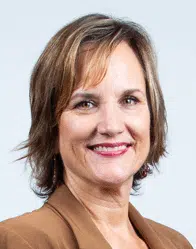
Kathy Loper, MHS, MT(ASCP) – NMDP
Kathy Loper currently serves as the Director of Regulatory Affairs for NMDP, a nonprofit providing life-saving cellular therapies to patients.

Jared Schuster, BS, HTL(ASCP), CABP – NMDP
Jared has 12+ years experience in biotech, specializing in cell therapy CMC, regulatory strategy and analytical development. He has held scientific, quality, and regulatory roles throughout his career, is clinically certified as a Histotechnologst (ASCP) and Advanced BioTherapies Professional (AABB), and maintains active membership with ISCT, ASGCT and RAPS.
Meet the Host

Daniel Smith, Director of Content and Education and Host of On Tech Ethics Podcast – CITI Program
As Director of Content and Education at CITI Program, Daniel focuses on developing educational content in areas such as the responsible use of technologies, humane care and use of animals, and environmental health and safety. He received a BA in journalism and technical communication from Colorado State University.