




Season 3 – Episode 22 – From Participant to Partner: Amplifying Voices Through a Participant Engagement Board
This episode explores how participant perspectives can help shape a more participant-centered approach to clinical research.
Notes
To view this episode’s notes, simply click on the “More Info” button on the player.
Podcast Chapters
Click to expand/collapse
To easily navigate through our podcast, simply click on the ☰ icon on the player. This will take you straight to the chapter timestamps, allowing you to jump to specific segments and enjoy the parts you’re most interested in.
- Podcast Introduction & Episode Overview (00:19:00) Host Alexa McClellan introduces guest host Eric Kupferberg, the three panelists, and the episode’s focus on participant experiences and Northwell Health’s participant advisory board.
- Panelist Introductions (00:01:20) The panelists share where they live and their occupations.
- Finding and Joining a Clinical Trial (00:02:27) Amy and Donna describe how they learned about their trials and what motivated them to volunteer.
- Using ClinicalTrials.gov (00:03:56) Eric explains how the registry helps participants find trials, particularly for rare diseases and multi-site studies.
- Peta-Gay’s Path to Participation (00:05:58) Peta-Gay shares how she heard about her trial through an internal email and why she enrolled to address severe back pain.
- Trial Experiences: Amy’s Story (00:07:25) Amy describes her heart drug study, her obligations as a participant, and her perspective on taking part despite a difficult outcome.
- Future Participation and Trial Phases (00:09:20) Amy shares whether she would join another study, and Eric explains the differences among clinical trial phases.
- Trial Experiences: Donna’s Story (00:10:03) Donna describes a positive experience supported by a responsive research coordinator and her interest in learning her results.
- Study Length and Participant Obligations (00:11:27) Donna explains the length of her study, her monthly injections, and the follow-up phone calls.
- Trial Experiences: Peta-Gay’s Story (00:12:09) Peta-Gay discusses supportive study coordinators and clinicians who answered her questions and helped her understand the consent information.
- Preparing Participants for Procedures (00:13:14) Peta-Gay suggests participants be better informed about potential side effects and discomfort following study procedures.
- On Campus Promo (00:14:40)
- Origins of the Participant Advisory Board (00:15:00) Eric asks how the board was created, and Amy credits Northwell’s clinical research leadership and describes the board’s makeup.
- Board Structure and Early Work (00:16:21) Amy shares that the board has met three times, set goals aligned with Northwell’s, and chosen officers and subcommittee members.
- Joining the Board and Subcommittee Goals (00:16:48) Donna explains how she was recruited and outlines the communications and community outreach subcommittees.
- Risks and Rewards of Participation (00:18:24) Donna discusses public awareness of clinical trials, the fact that volunteers do not pay to participate, and the reassurance of being closely monitored.
- Community Outreach Subcommittee (00:18:57) Amy describes Northwell’s outreach efforts, including Clinical Trials Day panels, and the focus on equitable access.
- The Value of “In Reach” (00:20:07) Amy highlights the benefit of board members connecting through their shared experiences as participants.
- Subcommittee Goals in Detail (00:20:50) Peta-Gay explains how outreach will engage underrepresented communities and how communications will carry the board’s message.
- Why Community Outreach Matters (00:22:11) Eric explains the importance of representative participant populations and of reaching underrepresented communities.
- Communications Subcommittee Messaging (00:23:13) Donna describes plans for peer-to-peer messaging from people who have been through clinical trials.
- Sharing Feedback with Researchers and Staff (00:26:05) Amy and Donna explain how the board will share participant perspectives with investigators and clinical staff to improve the participant experience.
- Collaboration with Leadership (00:27:37) Peta-Gay and Amy discuss working alongside Northwell’s clinical research leadership and plans to bring executive leaders to board meetings.
- Advice for New Advisory Boards (00:29:04) Panelists recommend hearing from participants with varied experiences, building a diverse membership, and putting forth genuine effort.
- Episode Wrap-Up and Resources (00:32:30) Alexa thanks the panelists, highlights CITI Program’s course Just ASK™: Introduction to Equity and Diversity in Clinical Research and Trials Participation, and shares the educational-purposes disclaimer.
Episode Transcript
Click to expand/collapse
Alexa McClellan: Hi, I’m Alexa McClellan, host of On Research with CITI Program. Every clinical trial depends on people who are willing to participate. Those participants also bring valuable experiences and perspectives that can help make research better. For this episode, my colleague, Eric Kupferberg, is stepping in as guest host. Eric is associate director of clinical research at CITI Program and develops educational content focused on good clinical practice and clinical research. Eric sits down with Amy Kenton, Donna Ansari, and Peta-Gay DePass to hear about their experiences as clinical trial participants and their involvement with Northwell Health’s participant advisory board. Their conversation explores what motivates people to join clinical trials, what participation actually feels like, and how bringing participant voices into the research process can help improve the experience for others. Here’s Eric to get the conversation started.
Eric Kupferberg: So initially, can you each introduce yourself? Tell me where you’re located and what’s your occupation?
Amy Kenton: Okay. I’m Amy Kenton and I live in Roslyn, just 15 minutes to the location of the clinical trial I participated in at Northwell Hospital in Manhasset. I’m a retired educator. I was a teacher, principal, and also worked in school district administration.
Eric Kupferberg: Fabulous. Donna.
Donna Ansari: I’m Donna Ansari. I live in New York City and I work in the pharmaceutical sector.
Eric Kupferberg: Which pharmaceutical sector? In the drug side or the device side?
Donna Ansari: Drug side.
Eric Kupferberg: Fabulous. That’s terrific. That means you’ve been familiar with the clinical trials well before you enter them.
Donna Ansari: Yep, exactly.
Eric Kupferberg: Wonderful. Peta-Gay, what about you?
Peta-Gay DePass: So I am a physical therapist. I work in Northwell Health’s Glen Cove Hospital site, and I currently live in Brooklyn.
Eric Kupferberg: So you are actually familiar with Northwell from the inside?
Peta-Gay DePass: Yes.
Eric Kupferberg: That’s terrific. So why don’t you each tell me how you heard about your clinical trial that you volunteered for and what led you to volunteer as a participant?
Amy Kenton: Well, I heard about the clinical trial from my cardiologist who’s a colleague of the Northwell cardiologist heading the trial for the study I was in. And I wanted to contribute to the data and possibly help with my own heart ailment, so I was interested in pursuing the trial.
Eric Kupferberg: Terrific.
Donna Ansari: My clinical trial was for thyroid eye disease, which I think it’s actually a rare disease. And I was looking for a treatment and they were all out of my budget. Oh, I searched on clinicaltrials.gov and that’s how I found the trial that eventually entered.
Eric Kupferberg: Did you reach out to the principal investigators through clinicaltrial.gov or did you go through the institution? What was the way that you ended up getting ahold of those that were running the trial in order to volunteer for it?
Donna Ansari: There was something to get in touch with the investigator and I clicked it and I sent my information and very soon after that I was contacted by a recruiter for the trial.
Eric Kupferberg: Terrific. And for those folks who are listening to this podcast who do not know about clinicaltrials.gov, all clinical trials need to be registered in a database that indicates what clinical trials are recruiting, what clinical trials are being run, and what clinical trials have been concluded and the results from it. So there’s a protocol registration component of clinicaltrials.gov and a results summary portion of it. And one of the great parts about the registry component is that you can see which trials are running under which condition and which location, and it provides contact information. And many of the volunteers for studies, particularly those for rare diseases, will get into clinical trials or understand who’s running them and where through clinicaltrials.gov. How’d you find out about clinicaltrials.gov?
Donna Ansari: My profession, it’s also, this sounds super nerdy, but it’s kind of a fun site to look around.
Eric Kupferberg: It is. One of the things that at the risk of self-promotion is that we offer a course for investigators of how to work with clinicaltrials.gov. It’s easy to use on the user side, but fairly complicated for the investigator or the site to register and then provide result summary.
Donna Ansari: It’s also helpful as it’s ongoing, you can check in on what’s going on with the trial at any moment and there might be updates listed, which is nice.
Eric Kupferberg: It also works quite well for those trials that are multi-sites since many clinical trials are being run in multiple clinical research areas and some of them international. Trials these days are no longer limited to one country’s borders. Particularly for rare diseases, a trial might have to recruit across the globe, and as a result, there needs to be a great coordination on the registration for the trial and the recruitment for the trial. And clinicaltrials.gov is a wonderful resource for everyone involved in the trial.
Peta-Gay DePass: So for me, I found out about my trial through an internal Northwell email. I think that the system we’re looking for increased participation into the study and it was reaching out to see if they can recruit some more participants. And as far as why I decided to be a participant, it was primarily because I had severe back pain. It’s for a lumbar disc disease, the study, and it was very difficult to do my normal routine and daily activities. I tried multiple treatment options, seen multiple doctors and did this for many years, and I was looking desperately for something to help me, so I decided to participate in the trial.
Eric Kupferberg: Terrific. That’s a very common reason for folks to participate in the trial. Even just the standard of care that you may receive is more comprehensive than you might find elsewhere. Not to mention if you happen to be in the experimental group that is subject to the new medical intervention or pharmaceutical intervention, there’s always an opportunity for new forms of treatment that you might not find elsewhere. Can you tell me about your experience during the trial? Did it meet your expectations and what aspects came completely unexpected?
Amy Kenton: Well, I have non-obstructive HCM, hypertrophic cardiomyopathy, and I’ve been interested in being part of a heart drug study because I wanted to potentially delay further thickening and the associated heart problems my parent also faced. It was indicated the drug would operate on the myosin in the heart in my left ventricle to relax the muscle for better function. I was first aiming to participate in a phase 3 study for one drug, but wound up in a phase 2 study for a different drug that also might potentially benefit me. Though I was physically considered a candidate for the trial for the first drug based on a study questionnaire, I was too healthy. And I wondered if the questionnaire adequately fielded the range of capacities for someone with non-obstructive HCM. As someone with a doctorate, I have an interest in and perspective based on conducting research myself. And my obligation was to take the drug dose each week and come for an echocardiogram and blood work to determine my BNP level, pressure in the ventricle.
And in short, after the first week of the study, I was feeling better, noticing better stamina, and my BNP decreased significantly in the second week. However, I was in distress. I developed atrial fibrillation, which I never had before, and my cardiologist performed a cardioversion to restore my regular rhythm, and I did not continue in the study and my BNP rose significantly again. But though my outcome was not good, I think it was worthwhile to participate because I hope myself and others will benefit from one of these drugs once the dosing and the clinical data demonstrates safety and efficacy.
Eric Kupferberg: Would you volunteer for another study?
Amy Kenton: I think in the future for my condition, I would only participate in a phase 3 study in which the dosing has been more refined.
Eric Kupferberg: Terrific. That obviously is a choice that many people decide to make. Those who participate in phase 1 trials have a very different expectation and experience than those who participate in phase 2 and phase 3 trials. Of course, there’s even phase 4 trials, which are post-market surveillance, which is an entirely different experience than the first three phases, but equally important to drug safety monitoring and the development of a particular drug or device. Donna, what was your experience and did it match your expectations?
Donna Ansari: I personally had a fantastic experience. It was the doctors where she saw regular patients, it wasn’t at a special location. I was treated, I felt, equally to just being a patient in the office. The research coordinator I worked with was very good at answering all my questions before, during, any time. I had one incident where I had a long flight and my disease just flared up and I didn’t know what time it was back in New York, but I texted her and she said, “Send me a photo. I’m going to get it to the doctor right away.” Everybody was super communicative. My trial is over, but we don’t have the results yet. I do not know for certain whether I was on study drug or placebo yet. I’m very interested to find out because I do feel like my condition has improved greatly, so it would be really interesting to see the results, but it was a great experience and I absolutely would be in another trial again.
I think the drug I think I was on, I’m pretty sure I was on, is really good, and I think it’s going to help a lot of people when it goes to market.
Eric Kupferberg: Well, that’s terrific then. How long did your study last?
Donna Ansari: A year and a half.
Eric Kupferberg: And what were your obligations during the study?
Donna Ansari: It went once a month to get injections, and I was there for about half a day at the study site in Long Island, and then I had telephone interviews after a full year of getting the drug once a month was over. I just had follow-up phone calls for the next six months. I wasn’t actually getting any injections. I was just getting phone calls with the doctor to see how I was doing and whether or not I experienced any side effects.
Eric Kupferberg: Peta-Gay, what was your experience during the trial?
Peta-Gay DePass: So my trial, I had a primarily good experience, and I agree with Donna. I have great study coordinators, and they were very helpful digesting a very large research packet when I first signed on and the information packet and consent. They answered all my questions, and if they didn’t have the answer, they went straight to the company that was producing the product, and they asked them to clarify for me so this way it could give me better information to enroll in the study, and I really appreciated that. They were always there to help me. And if it wasn’t just the actual study coordinator, the staff and the clinicians that were doing the various procedures on me, they were also great. You could tell that they really cared and they were precise with what they did. And it was helpful because these procedures most times, especially the diagnostic ones, were painful, and you’re meeting a physician for the first time, so it really helped the [inaudible 00:13:14].
The only thing that I think was hard was the information packet described very well the procedures that I would go through at every visit. So as far as expectations, that was met. However, I did not know how it’d feel. It didn’t tell you there’s potential for adverse side effects or increased discomfort post these procedures. So I wish there was some inkling for that because I have a large commute, and most of those times after these procedures, I drove myself home. So out of all the procedures I had, there are eight visits total over a two-year period. I am halfway, I’ll have visit seven soon. It’s been about a year, but initially there were a lot of visits back to back with these diagnostic procedures, and only one of them, they offered pain medicine at the end of the procedure.
So I think that that was the only thing that I hope that they would educate the participant a little more about how they would feel.
Eric Kupferberg: Fabulous. And would you volunteer for another trial?
Peta-Gay DePass: I would absolutely consider it. I would absolutely consider it. I think I would also give a little bit more careful consideration to the amount of time and effort and potential commute involved in the study, but I would definitely consider it.
Ed Butch: I hope you’re enjoying this episode of On Research. If you’re interested in important and diverse topics and the latest trends in the ever-changing landscape of universities, join me, Ed Butch for CITI Program’s podcast, On Campus. New episodes released monthly. Now, back to On Research.
Eric Kupferberg: Well, I’m going to switch to talking about the participant advisory board. Did they tell you why it was created and were you consulted during its creation or brought in after it was established?
Amy Kenton: Well, I feel that the board has really reflected and long been the vision of Christina Brennan, who is the senior vice president for clinical research at Northwell. She, like so many people there, believe in the highest standard, and I feel a quote of hers sums up her mindset and dedication to CR that I have. She said, “Our commitment to advancing medicine isn’t just about discovery, it’s about making clinical trials more accessible, efficient, and impactful for everyone.” So her leadership has been key to this coming about, and I think she reflects the outstanding staff that’s gathered there, including the doctors like my cardiologist. Just for a quick overview, there’s 11 board members who are all current or former participants in clinical trials, and the Northwell staff also facilitating the board in addition to the vice president is the director of clinical research and a project manager.
And the board first met this past year. We’ve met three times. We were brought together after it was conceived, but we have been involved in discussion about goal setting, aligning our goals with Northwell’s, determining officers and members in two subcommittees. We have a president, a vice president, and a secretary, and Donna is our vice president, and she may speak more to some of the specific objectives.
Eric Kupferberg: Fabulous. Donna?
Donna Ansari: Oh, so I heard about the advisory board from the research coordinator I worked with who happened to work in the same office with the person who’s assisting Dr. Brennan with the advisory board, and she recommended that I would be a good person to be on the advisory board. I believe that our first meeting was last November, and the 11 of us who are members now have been members since it started, which honestly, it’s still very new. We’re still in our first year, still figuring everything out. As Amy said, we have some officers within, and those of us who are officers became so by volunteering. And the two subcommittees that we have are communications and community outreach. Those are our goals is to communicate to both clinical trial participants about the importance of clinical trials, about their availability, because some people who need to be in a clinical trial because various reasons, maybe they can’t afford the standard of care that’s out there now, which is what my situation was, or because it’s something that’s developing, something that could be a rarer disease that they’re working with.
There’s many reasons people would need clinical trials that public at large, we don’t think has as much awareness that they can help people and that you don’t have to pay for clinical trials, you’re going as a volunteer. There’s risk in that you don’t know whether you’re getting the study drug or device or whatever the trial is for. The reward is you’re getting seen. And even just to be monitored to that level is very helpful and very reassuring, at least it was for me.
Eric Kupferberg: Can you tell me about the other committee or should I ask our other two panelists today about the other committee if they’re both part of it?
Amy Kenton: Well, I’ll tell you about one of them, Peta-Gay and I working together in leading the community outreach subcommittee. And even prior to the board coming together, you could see Northwell’s commitment to outreach and trying to share information and promote participation because I had been recruited to be a panelist at the Clinical Trials Day the year before, and the panel was made up of participants, and I thought that was unique and excellent. And we all were present at this year’s Clinical Trials Day, and our president spoke at that one. So the commitment was there, and Peta-Gay may speak more specifically about the areas of focus we’ve determined for the community outreach subcommittee, even though it’s all a work in progress. I’ll just say I’d like to help with community building. That’s why I think we’re on that committee, encouraging greater participation so more people can benefit and equitable access to cutting edge advances in medicine.
And I just also want to say though the subcommittees focuses outreach, I think the board’s value is really also what I call in reach as all of us on it are a unique committee, a forum of comrades, and I feel we’ll continue to benefit knowing each other because we share this similar experience pursuing, I think with courage, potential advances that can change your life, prolong your life, save your life, and the lives of others. So just the gathering of us together I think has quite a value inherently as well as the work we plan to do.
Eric Kupferberg: That’s fabulous. Can you tell us a little bit more about the subcommittee then, Peta-Gay?
Peta-Gay DePass: Sure. So the two subcommittees that we have are going to be the primary vehicles, the tools that the board will be able to fulfill its vision, its mission. Amy was talking about the community outreach committee, and it is basically so that we can be able to access these communities that may be underrepresented in clinical research to educate them, give them opportunities to know more about clinical research through different events or be able to go to these communities themselves, whether it’s faith-based communities, et cetera. And then also too, we want to make sure that if there are any questions regarding clinical research that we can answer them, can speak to and conquer the barriers that these communities have to accessing this aspect of medicine and treatment and care. So that’s what the community outreach subcommittee would like to do. The other one that we have that Donna mentioned is the communication subcommittee, and that is how we’re going to get our message out.
So not just at the events, but what is going to be our social media presence, our digital presence, and what platforms are we going to use, and who are these people that we’re going to access, and how are we going to do that and tell them about who we are other than having these events in the community?
Eric Kupferberg: Fabulous. And just for our listeners, community outreach is a vital aspect of clinical trials these days. One of the things that had been growing in awareness and became pointedly obvious during the COVID clinical trials is that you need to have a participant population which is representative of a larger population that might be receiving the final drug or device. And if it’s not representative, the results will be skewed or less than applicable across the board. And it turns out that there are many underrepresented populations which have been difficult to reach historically or difficult to convince to join studies or who just have not had access to it. And so community outreach is something that many hospital sites or academic research centers have put investments into, and some have been successful and some are still a work in progress. So the aspect of your board that has been involved in this I think is important work.
Could you tell us, Donna, a little bit more about the communications aspect and what kind of message are you putting together?
Donna Ansari: We haven’t started anything as far as social media yet. That’s still in the works. It will answer the questions like what is a clinical trial from our perspective as people who have been there and done that, not from someone who hasn’t done that. So communication coming from people who’ve been through the trials and not just from the investigators, we feel like there’s some value in this sort of peer-to-peer interaction with the people who potentially would be in the trial. So this is still in the works. That’s something that we’re still working on.
Eric Kupferberg: Okay. Obviously this is still early in your process, and the fact that the communication is coming from participants is important because traditionally communication is coming from the sites and often written by the coordinators rather than the principal investigators themselves. So only one stakeholder group within the larger stakeholder group of the site has been responsible for messaging that is important to many stakeholders involved in the process of clinical trials. The fact that it’s being broadened is important and certainly an advanced step that’s being taken. So do any of you know of similar boards at other research sites? Has this been something that has been talked about as sort of finding a template from other research sites or are you creating things de novo?
Donna Ansari: We were talking about this before. None of us know that this has happened anywhere before. We could be wrong, but I have never heard of this happening before. I had to disclose this at work because of what I do. And they were like, “What? That’s amazing. I’ve never heard of this thing before to have a participant based board.”
Eric Kupferberg: It’s one of these things I’m just curious as to whether or not the board has been given a template, sort of here’s what’s done at other institutions. And if it’s not been given a template, one of the things that is noticeable is that Northwell is a leader in this area in terms of how to outreach to different participant populations or potential different populations. And the fact that they’ve created a board is truly notable. The outlook or the focus that you’ve had so far that you’ve told me about is outward, that is towards those people who’ve not been part of the studies. Has any of the focus been inward? That is to say, is the advisory board communicating with principal investigators or study coordinators and providing feedback going the other direction? So if reaching out to the communities, communities have some messages, are you communicating them back?
Amy Kenton: The clinical staff, the researchers, members of the hospital staff are folks that the message of the board will be directed to, of course, as well, in addition to outreach to future participants. And it’s what I find so empowering because there’s a focus by Dr. Brennan in particular and built into the mission and vision that we’re shaping is that it’s empowering patients to share our experiences, our perspectives, and to be partners really, informing every stage of research because we were there to make it more successful, more impactful. And that’s what I appreciate, this idea that we’re patients too. We are part of helping to improve and sharpen processes in clinical research and in healthcare.
Eric Kupferberg: That’s true.
Donna Ansari: Can I jump in? One of our main goals is to improve the patient experience. So in order for that to happen, we have to give feedback to investigators, “This didn’t work for me. If this happens in a trial, it’s going to really diminish the patient experience.” So I think in that way we can help investigators by saying, “We appreciated this. This did not work. This could use some improvement,” and we are hoping to go in that direction too.
Peta-Gay DePass: And to piggyback, as a participant actively, when I am at a study visit, I’m not thinking in this manner, so I may not communicate certain things then and there or even until later on that I think about things to the research coordinator, study coordinator. So I like the advisory board at every single meeting that we have, we have the clinical research leadership team there with us. So Dr. Brennan is there with us. We have the senior project manager. We have the director of clinical research there. So they’re always there at our meetings, and they are very collaborative with other aspects of the Northwell Health System and executive leadership at Northwell. So at that time when they even prompt us, just like Amy was saying, Dr. Brennan is amazing. She sees us as patients. I didn’t see myself as a patient when I was doing the studies, and so her concern is palpable.
She will help formulate and facilitate what we were saying, our suggestions, and present them as needed to the appropriate stakeholders.
Amy Kenton: Also, she’s planning to bring executive leadership to our meetings in the coming year and other key stakeholders in the institution in Northwell because they need to hear our stories. And I appreciate that tremendously, that bridge building with the folks who are in charge.
Eric Kupferberg: That’s terrific. Let me ask a final question, which is if you were to give advice, suggestions, recommendations to other advisory boards that are being created, part of what you’re doing right now is to make recommendations to the hospital senior staff and research coordinators, what would you suggest for another word that’s being created?
Donna Ansari: I think an important thing which I feel Northwell has done is to people who have had a variety of experience and had really good experiences, some other people have not had a good experience. That’s very important to hear that too, to hear what went wrong. And for those people who have not had the best experience to hear their stories and know, okay, we know you haven’t had a great time on this trial. It didn’t go as you had hoped, but it was still valuable. And you can give back by being on an advisory board to help improve other people’s experience in clinical trial. And I think that’s super important. And personally, having had a good time, I really applaud those of us who have not had the best time and still want better for others.
Amy Kenton: I also serve on an advisory board at one of the local universities school of education, so I have really been looking back and forth at what we’re doing. It’s a good experience. And in terms of diversification too, that your board members be diversified, that’s what I’m really enjoying about our board. You have people who have business backgrounds, people from all different directions, education, nursing. It’s so interesting and everyone brings different strengths to tap, different perspectives. So that variety of the board members I think is very significant too.
Peta-Gay DePass: Yes, this is my first time being on an advisory board and we are early in our process, so I do not have the experience that Amy has, but I do know what I can appreciate is that you just try. This is an area where it’s great because we’re innovating a different part of the process. So just try. So for any other advisory board, just put your best effort forth. And I know as a clinician, as long as you have genuine concern for the human being on the other side that is receiving whatever care it is and you try, that is the most important and valuable thing.
Eric Kupferberg: Thank you. And I really appreciate everyone participating in our chat today. I think I learned an awful lot. I hope that those who are listening to the podcast also found it productive. And I hope that the board continues to do good work and that its future years are as productive as your first year has seen. So thank you very much and we’ll be talking to you hopefully in the future sometime.
Peta-Gay DePass: Thank you.
Amy Kenton: Thank you so much too for your dedication to research and science, especially in these times. We appreciate the forum.
Eric Kupferberg: You’re quite welcome.
Peta-Gay DePass: Yes, thank you.
Donna Ansari: Thank you.
Alexa McClellan: Special thanks to Eric and our panelists for sharing their perspectives on the clinical trial participant experience. CITI Program offers self-paced courses in research compliance, including human subjects research, responsible conduct of research, research security, and research ethics. Today’s discussion reminds us how important it is to consider who has opportunities to participate in clinical research. To continue exploring that topic, check out CITI program’s course, Just ASK™: Introduction to Equity and Diversity in Clinical Research and Trials Participation. Follow the link in this episode’s subscription to learn more. Enhance your skills, deepen your expertise, and lead with integrity across research settings. If you’re not currently affiliated with a subscribing organization, you can sign up as an independent learner and access CITI Program’s full course catalog. As a reminder, I want to quickly note that this podcast is for educational purposes only. It is not designed to provide legal advice or legal guidance.
You should consult with your organization’s attorneys if you have questions or concerns about the relevant laws and regulations that may be discussed in this podcast. In addition, the views expressed in this podcast are solely those of our guests.
Evelyn Fornell is our line producer and production and distribution support are provided by Raymond Longaray and Megan Stuart. Thanks for listening.
How to Listen and Subscribe to the Podcast
You can find On Research with CITI Program available from several of the most popular podcast services. Subscribe on your favorite platform to receive updates when episodes are newly released. You can also subscribe to this podcast, by pasting “https://feeds.buzzsprout.com/2112707.rss” into your your podcast apps.



Recent Episodes
-
- Season 3 – Episode 21: Safety, Research, and Antarctica
- Season 3 – Episode 20: Research Ethics for All: Expanding Access to Research Ethics Education
- Season 3 – Episode 19: The Belmont Report at Belmont: Voices of Research Ethics
- Season 3 – Episode 18: Beyond Persistence: How Early-Career Scientists Can Thrive
Meet the Guests
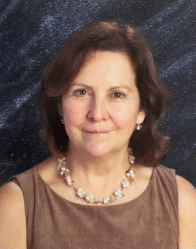
Amy Kenton, EdD – Northwell Health
Amy Kenton has been a K-12 educator for over 30 years. She served in school and district leadership positions and taught graduate courses in educational leadership. Dr. Kenton serves on the Northwell Clinical Trials Participant Advisory Board and the Hofstra School of Education Advisory Board.
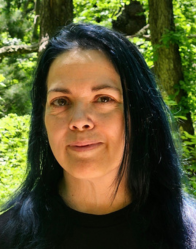
Donna Ansari was diagnosed with thyroid eye disease (TED) in 2024 and joined the SatraGO Phase 3 clinical trial later that year. She is currently Vice President of Northwell’s Clinical Trial Participant Advisory Board.
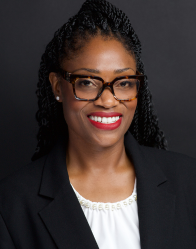
Peta-Gay DePass, PT, DPT – Northwell Health
Peta-Gay DePass is a Doctor of Physical Therapy at Northwell Health with over two decades of experience in acute, inpatient, outpatient, and neurologic rehabilitation. A committed advocate for patient-centered care and research, she is adjunct faculty at Stony Brook University and serves on Northwell’s Clinical Trial Participant Advisory Board.
Meet the Host
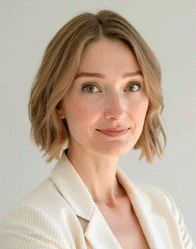
Alexa McClellan, MA, Host, On Research Podcast – CITI Program
Alexa McClellan is the host of CITI Program’s On Research Podcast. She is the Associate Director of Research Foundations at CITI Program. Alexa focuses on developing content related to academic and clinical research compliance, including human subjects research, animal care and use, responsible conduct of research, and conflict of interests. She has over 17 years of experience working in research administration in higher education.
Meet the Guest Host
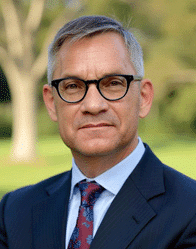
Eric Kupferberg, PhD, Associate Director, Clinical Research – CITI Program
Eric D. Kupferberg, PhD received his doctorate in Science, Technology, and Society from MIT. He is currently the Associate Director of Clinical Research at CITI Program where he develops educational and training content in the areas of Good Clinical Practice (GCP) and Clinical Research. Before coming to CITI Program, he built the Clinical Trial Management (CTM) bootcamp for Stack Education and rebuilt a CTM program at Salem State University. He has held teaching and administrative positions at Harvard, MIT, and Northeastern University, where he directed the program in biomedical regulatory affairs.