




Season 4 – Episode 10 – Why Undergraduate Research Matters: Building Future Scholars, Leaders, and Global Citizens
This episode discusses the transformative impact of undergraduate research and global learning.
Notes
To view this episode’s notes, simply click on the “More Info” button on the player.
Podcast Chapters
Click to expand/collapse
To easily navigate through our podcast, simply click on the ☰ icon on the player. This will take you straight to the chapter timestamps, allowing you to jump to specific segments and enjoy the parts you’re most interested in.
- Introduction to Undergraduate Research and Global Learning (00:06) Ed introduces On Campus with CITI Program, welcomes Dr. Barbara Packer, and frames the episode around how undergraduate research and global learning help students build confidence, develop career-ready skills, and explore future possibilities.
- Overview of the Razor’s Edge Programs (01:12) Ed asks about the programs’ mission and students, and Dr. Packer explains the research and global scholarship programs, their built-in minors, and opportunities for undergraduate research and community impact projects.
- Dual Admission and Students’ Academic Interests (03:26) The conversation explores conditional seats in graduate and professional programs, with Dr. Packer clarifying that Razor’s Edge also welcomes students outside dual admission and across a range of academic interests.
- Why Undergraduate Research Matters (05:35) Ed asks why students should engage in research early, and Dr. Packer discusses research literacy, ethics, foundational coursework, faculty research placements, and opportunities to develop problem-solving and decision-making skills.
- Career-Ready Skills and Community Impact (08:24) The discussion connects hands-on research to critical thinking, communication, and adaptability, while Dr. Packer describes local community projects and how alumni apply their research and global experiences in further study and careers.
- Finding Purpose Through Mentorship and Experience (11:13) Ed asks how research helps students discover their interests and goals, and Dr. Packer highlights professional development seminars, ongoing faculty mentorship, and alumni examples of research shaping academic and career paths.
- Student Preparation and Program Selection (15:23) Dr. Packer discusses students’ preparation for faculty research labs and the competitive selection process, emphasizing that passion, mindset, and the interview matter even when applicants have no prior research experience.
- Connecting Research and Global Engagement (17:08) Ed asks about the importance of an international perspective, and Dr. Packer explains how cultural awareness, empathy, and understanding different values prepare students to work with the communities they will serve.
- Institutional Benefits of Investing in Undergraduate Research (19:14) The conversation turns to the university’s investment in these scholarship programs, with Dr. Packer discussing student engagement, retention, graduation, graduate school placements, and the reputational value of student research.
- Advice for Students Seeking Research Opportunities (22:05) Ed asks how first-year students can get involved without a structured program, and Dr. Packer encourages pursuing their interests, learning about faculty research, visiting office hours, and embracing unexpected connections and academic paths.
- Closing Reflections and CITI Program Resources (24:34) Ed thanks Dr. Packer, who reflects on improving students’ learning experiences, before Ed directs listeners to CITI Program resources on research, ethics, compliance, and higher education and closes with production and distribution credits.
Episode Transcript
Click to expand/collapse
Ed Butch: Welcome to On Campus with CITI Program, the podcast where we explore the complexities of the campus experience with higher education experts and researchers. I’m your host, Ed Butch, and I’m thrilled to have you with us today. Before we get started, I want to quickly note that this podcast is for educational purposes only and is not designed to provide legal advice or guidance. In addition, the views expressed in this podcast are solely those of our guests. Welcome to another episode of On Campus. High impact experiences can play a critical role in helping students develop professionally, academically, and personally during their college years. One of the most powerful of those experiences is undergraduate research. Today, I’m joined by Dr. Barbara Packer, co-director of the Razor’s Edge Research and Global Scholars Programs at Nova Southeastern University, to discuss how research and global learning opportunities help students build confidence, develop career-ready skills, and discover new possibilities for their future. Dr. Packer, welcome to the podcast.
Barbara Packer: Thank you so much. I’m delighted to be here.
Ed Butch: Wonderful, wonderful. I’m excited to have this conversation. So I think to start, for the listeners that might not be familiar with the Razor’s Edge program, can you tell us a little bit more about the mission of these programs and the types of students that they serve?
Barbara Packer: Sure, I’d be delighted. So the Razor’s Edge programs are a number of premier scholarship programs that students who are high school seniors interview for when they have been accepted into Nova Southeastern University’s undergraduate degree programs. And each one, the Razor’s Edge Research Program and the Razor’s Edge Global Program, carries with it a minor in either research studies or global engagement. One is 15 credits, one is 16 credits. These programs are only open to the maximum 20 kids that we accept each fall into the program. And most of these students who come from not only all over the country, but some are internationals, they are being accepted to our university and are often looking at our dual admit programs. So about 75% of our kids are either dual medical, dual dental, dual psych, some dual law, many dual marine bio or environmental sciences.
Ed Butch: Of course.
Barbara Packer: So they’ve secured a space, you see, in graduate degree or first professional programs. And along the way, through our program, they’re gathering credit bearing experiences that lead them to do either undergraduate research if they’re in the Razor’s research program or a community impact project if they’re in the global program. So that’s kind of a general overview of the programs.
Ed Butch: That’s great, thank you. And it’s really intriguing that there’s minors already built into that program. I really like that aspect as well. And kind of interesting that it serves so many students that are in these dual enrollment programs, just because I had worked with some in my previous career. Are those direct admit programs into the law or are they early assurance type programs or how does that work with the law, the medicine, and things like that?
Barbara Packer: Yeah, pretty much. They are a secured seat in one of those programs provided that you maintain certain GPAs and that you of course do well on your MCATs or your dental exams. But not all of our students are in dual admit programs. And I think it’s important to understand that we believe whether you are interested in research or global engagement, that you can come at us with a number of different content interests or experiences. So we have kids that are biology majors, we have kids that are some education majors, a large number are neuroscience, public health and the like.
And the kids that come to us for interviews at the end of their senior year to be admitted are very high achieving high school students. So our average SATs, for example, are around 1440, 1450, with GPAs that are through the roof. And kids, these kids are not only bright, but they’re enthusiastic and they’re nice people. So every time I leave any of these interviews with these high school high achieving kids, I’m thinking, “Wow, this is what we really want our world to look like,” that these are the kids that aren’t talked about all the time on the news. These are the kids that will make a difference.
Ed Butch: For sure, for sure. That’s fantastic. So I’m interested because a lot of people I think still see research as something that is really reserved for graduate students or faculty members. So why is it important for undergrad students to engage in research, especially early in their careers like through this program?
Barbara Packer: Yeah, great question. So I’m a strong believer that research is more than just the doing of the research, but it’s the understanding of the science behind research as well as the recognition of what constitutes good and bad research. So no matter what field our students are going into, they’re going to have to be consumers of research. Whether they’re making clinical decisions about patients, they’re going to want to understand whether or not a journal article represents an excellent research study. What are some of the ethics behind the decision making? How do the researchers work through their decision making? And no matter what, the kids that go into the research program have nine credits of didactic coursework in how to conduct a study, what are the ethics behind the study, have they completed all of the necessary IRB information? So these are students that at the end of their nine first credits in the program are then matched with a faculty researcher across the campus, and then they spend two to two and a half years with that faculty researcher really diving in and doing research related activities.
And by research related activities, I’m talking about literature reviews, data input, data analysis, and many of our kids, by the end of their two or two and a half years, have a peer reviewed article, which certainly looks great on their resume and moving them forward. It puts them at a different level, I think, than some of their counterparts. But even if they never conduct research later on, that kind of mindset, the idea that research is a collaborative opportunity to make a difference, I think that they learn tremendous skills from problem solving, to clinical decision making, to how to really read and understand research.
Ed Butch: Yeah, definitely. And I think that kind of goes into what I was going to ask next, but you really kind of hit it there, is that employers are always looking for these important skills, critical thinking and problem solving, communication, adaptability. So it seems like they are truly learning this through that two and a half years of true experience with the faculty members then in their research labs.
Barbara Packer: I believe that they are, and they are gaining valuable insights into the content area they’re particularly interested in. So we have students that are placed with our exercise and sports science folks, or our people in psychology that are interested in mindfulness and meditation, or with our psychology faculty that deal with autistic children and best outcomes in the classroom. And as far as our global students, these kids are putting forward programs that will benefit others in the immediate community. So we like to talk about those projects as think globally, but act locally. So they’re beginning in their immediate area, either the university or the community in which they live and work, and moving projects along and assessing whether the quality of life for their community constituent groups improves or doesn’t. And if it’s not working, how can we massage the project to make it achieve even better outcomes?
Ed Butch: That’s great. So almost like a practice-based research, where they are directly affecting something that they’re doing.
Barbara Packer: Okay, exactly true for the global students.
Ed Butch: For the global, yeah.
Barbara Packer: For the research students, it is more traditional in terms of research findings and outputs. But we have now seen… Both programs have been in effect for about 12 years, so we have a good number of alums that we’re still in touch with. And the stories that they tell us, whether it’s interviewing for jobs, placements, going across the country to different universities, to medical school, dental school, et cetera, they tell us that their research experiences or their global experiences have really made a difference for them, not only getting in, but staying in and having skills that some of the other students do not have.
Ed Butch: Yeah, that makes complete sense. Definitely. That’s great. So one theme that we really discuss a lot on the podcast is helping students find their purpose and direction. So how do you really view participating in research as helping students better understand their academic interests and career goals and really just their general sense of purpose?
Barbara Packer: Yeah, that’s an even more difficult answer. Not because it’s not a good question, but it makes me think about what are the things that we offer in our program that then lead to finding their purpose. So in both programs, there are other, what we call co-curricular activities that are required. One of those is something that we call conclaves. I don’t know where that word came from, but it permeates through all the programs. And these are seminars where the entire four years of the program students get together around a professional development topic, around an expert in the field, or just in team building bonding experiences.
So aside from that, they are also afforded Dr. Mills or me as a faculty mentor that’s with them throughout the three or four years of the program. So we meet with them one-on-one to discover their real passions and interests. We provide them with insights during conclave or seminars that help them to think about who do they want to be at the end of this kind of journey. We place them with faculty mentors who are what these kids would like to be at some point.
So for example, I can think of one of our students who went on to do his PhD/MD. He’s going to be a physician researcher at a program that is at UC San Francisco in Berkeley. It’s a dual admit program. So he says that the skills he started to learn as a research student stood him in good stead throughout his three years of medical school. We have another student who graduated from Johns Hopkins Medical School on a full ride. He took a year off midway through the program to do a research internship with engineering students designed to improve operating room efficiency using changed surgical techniques based on his viewpoint as a medical student and the engineering students. They worked collaboratively as a team.
Ed Butch: Wow, that’s fascinating.
Barbara Packer: I don’t know if I answer… And we have kids that just finished a master’s in New Zealand in marine science and they’re doing all kinds of research off the Great Barrier Reef, et cetera. So when we hear back from our students about how the programs helped them to determine what their future might look like, they all talk about learning by doing research and understanding what sits behind the research.
Ed Butch: Yeah, that makes complete sense. I mean, that’s fascinating to me, just the variety of students that you have there, from MD/PhD and the doctor working with, or the student working with engineering students in New Zealand at the Great Barrier Reef. I mean, that’s just such a collection. Even just in 12 years that you said that you have the program going, that’s already just so, so large. That’s amazing.
Barbara Packer: Yeah. We are not only proud of the program, but we’re really proud of our students and we like them and we learn from them. So the faculty tells us that our kids are at a different level when they come into their research labs, that they’re used more like grad assistants as opposed to undergraduates beginning research. They’ve already had coursework and they’re already pretty decent critical thinkers. And it is rare for us to feel as if we selected the wrong kid. By the way, every year we interview between 500 and 600 students for 20 slots in each program.
Ed Butch: Wow.
Barbara Packer: Yeah, we’re looking at… Some kids have no research in their backgrounds. Other kids have done some research as high school students, but we’re not looking for kids that have already done a community impact project. We know that if they have the right mindset and the right passion, that we’re going to get them further along in this research journey.
Ed Butch: For sure. I mean, 5 to 600, that’s a lot of interviewing.
Barbara Packer: It is, and it’s a lot of paperwork to review because we’re looking at their SAs, we’re looking at their GPAs, we’re looking at their standardized test scores. But in the end, the thing that makes the biggest difference is the interview.
Ed Butch: Sure, definitely, definitely. Well, one thing that really intrigues me just from a lot of what I’ve done previously in my career around internationalization, is that your program really does emphasize global learning. So how do you really see research and global engagement connected, and why do you think it’s important for students to develop this international perspective?
Barbara Packer: Well, today I think everybody needs to have a pretty decent sense of cultural awareness and the populations that we serve regardless of our field. So by really using culture in a loose sense, that is we have cultures within a classroom, we have mindsets about what is a global citizen. We understand that, for example, our legal studies students are going to be dealing with a whole set of populations that either live in our country, are studying in our country, or, in many instances, are kids are going out on missions and making discoveries in their communities in which they’re placed. So feeling feelings of being understood, feelings about being empathetic about others, understanding that the patients or the clients that our students will one day serve come from a vast array of value systems, ideas, that’s important for us to embrace, and to understand that there may be conflicts, but conflicts are not always a bad thing. It allows us to achieve better learning over time, I think.
Ed Butch: Yeah, definitely. So I think you mentioned early in the first description of the program, this is a scholarship program, correct?
Barbara Packer: It is.
Ed Butch: Okay, so I guess from an institutional perspective then, what benefits do you think universities see when they invest in undergrad research and other learning experiences like this? Because they’re putting a decent amount of money toward a cohort of 20 students every single year. Well, a cohort of 40, I guess, because technically it’s 20 and 20.
Barbara Packer: 20 and 20, yeah. So clearly to me, and based on the alums, we have engaged students, which leads to better retention and better graduation rates. So from the immediate perspective, there is a built-in cohort of kids that works with individual faculty members, which creates that collaborative learning environment. Kids, students, feel heard and appreciated. So that’s the start of it. The second piece of it is that when these students graduate from the institutional perspective, they’re placed in some of the best graduate schools and first professional programs across the country, so our institution becomes better recognized from the kinds of kids that we’re graduating.
On top of that, as they contribute to the literature, we are seeing that our students’ work is being cited by other people, which brings really good reputational value to our school. And we bring to that dual admit program the idea that these are really, really bright kids that are going to be interacting with graduate faculty, medical faculty, so they’re already moving into their professional track in a positive manner. So I think it’s institutionally smart. I think that in terms of the student’s growth and development, it’s smart. And in terms of the students getting an experience that is different than others makes it very smart for the students, their family, the institution, and our faculty.
Ed Butch: Yeah, definitely. I mean, they’re becoming true ambassadors for the university, for sure.
Barbara Packer: Exactly. Yeah.
Ed Butch: So as we start to wrap up here, I always like to either have you look ahead or give some advice. So I think I’m really looking for advice this time. So if you could give a piece of advice to a first year college student who maybe doesn’t have this type of opportunity at their university, but they’re considering participating in research, what would that be?
Barbara Packer: Yeah. Embrace your passion and go after it. In other words, if you’re not in our program, but you’re interested in research, if there is a faculty member that you’re learning from in the classroom, go and meet him or her during office hours, express your interest, read about what that faculty member’s research is, and impress them when you go in. Don’t be afraid to take a different path, one example for that. We had a student, who just graduated, who is a dual admit medical student, and she was a dual major, biology and English literature. Extraordinarily unusual. But when we went to place her with her first choice faculty member who had never before taken one of our students, because she only worked with grad students, she said, “I’m interested in her because I was an English lit major in college.”
So you never know what’s going to resonate with someone that you walk into their door and… Another student of ours speaks Italian and English, placed him with a faculty who speaks Italian and English, and they’re conducting all kinds of fun stuff with a population that is anchored in the Italian language. In any event, all I’m trying to say is don’t shortchange yourself and express who you are and make sure that you’re ready to talk about a faculty member’s interest when you walk in their door.
Ed Butch: Definitely. Some great advice. Thank you for that. And thank you for your time today. This has been fascinating to hear about this program. It’s not something that I was familiar with, so it was really, really great to hear it and what you’ve been able to build just in 12 years.
Barbara Packer: Thank you so much for including… As you know, I could talk about this for hours-
Ed Butch: I’m sure.
Barbara Packer: … example after example. But I’m very proud of our students, and I think that’s the main takeaway, that when a director, administrator, faculty member gets involved with students at any level, that’s what we’re here to do. That’s the important goal in our lives. How can we improve the learning experiences of our students across the board?
Ed Butch: Definitely. That’s for sure. Well, once again, thank you, Dr. Packer, for your time and joining us on this episode.
Barbara Packer: Thank you.
Ed Butch: I invite all of our listeners to visit citiprogram.org to learn more about our courses and webinars on research, ethics, compliance, and higher education. I look forward to bringing you more expert guests to discuss what’s happening on campus. Special thanks to our line producer, Evelyn Fornell. Production and distribution support provided by Raymond Longaray and Megan Stuart.
How to Listen and Subscribe to the Podcast
You can find On Campus with CITI Program available from several of the most popular podcast services. Subscribe on your favorite platform to receive updates when episodes are newly released. You can also subscribe to this podcast, by pasting “https://feeds.buzzsprout.com/1896915.rss” into your your podcast apps.



Recent Episodes
-
- Season 4 Episode 9: Expanding Global Learning Opportunities Through COIL and Virtual Exchange
- Season 4 Episode 8: Student Success Starts with Purpose: Strategies for Supporting First-Year Students
- Season 4 Episode 7: The Future of Higher Education: A CEO’s View on Workforce Readiness, AI, and Research
- Season 4 Episode 6: From Belonging to Flourishing: Rethinking Student Well-Being in Higher Education
Meet the Guest
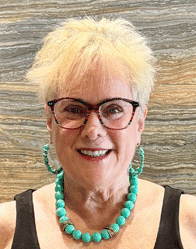
Barbara Packer, EdD – Abraham S. Fischler College of Education and School of Criminal Justice
Dr. Packer is Co-Director of the Razor’s Edge Research and Global Scholars Program at Nova Southeastern University. She teaches and administers programs in research and global issues and has served as a mentor for action research dissertations for students at the undergraduate and graduate levels for more than 30 years.
Meet the Host
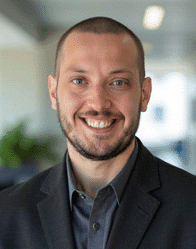
Ed Butch, Host, On Campus Podcast – CITI Program
Ed Butch is the host of the CITI Program’s higher education podcast and the Associate Director of Higher & Secondary Education at CITI Program. He focuses on developing content related to higher education policy, compliance, research, and student affairs.